
















Other electrical materials
Sort by
Display
per page
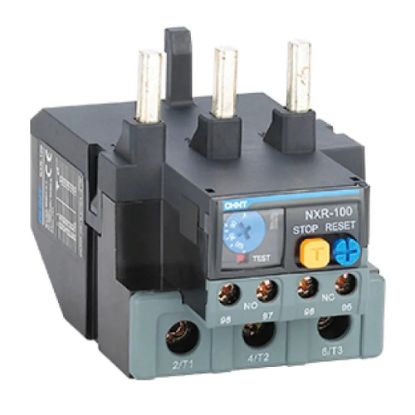
NEXT NXR-12 9-12A Thermal Ov...
In stock
86 677,00 soʻm
Safeguard your electric motors with the NEXT NXR-12 9-12A thermal overload relay. Designed for continuous or intermittent duty AC motors (50/60Hz, up to 690V, 0.1-630A), this relay protects against both overload and phase failure. Features include thermal compensation, operation indication, automatic/manual reset, and stop/test functions for reliable performance. Compatible with contactors or independent installation.
86 677,00 soʻm
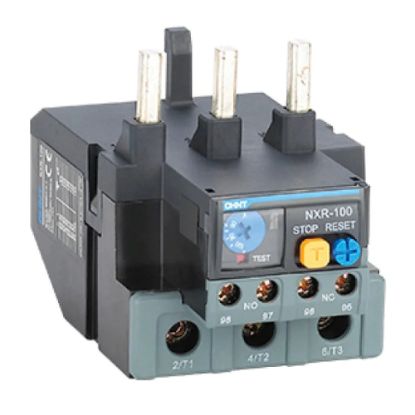
NEXT NXR-12 7-10A Thermal Ov...
In stock
86 677,00 soʻm
Safeguard your electric motors with the NEXT NXR-12 7-10A thermal overload relay. Designed for continuous or intermittent duty AC motors (50/60Hz, up to 690V, 0.1-630A), this relay protects against both overload and phase failure. Features include temperature compensation, operation indication, automatic/manual reset, and stop/test functions. Known for its stability and reliability, it can be mounted directly to contactors or independently.
86 677,00 soʻm
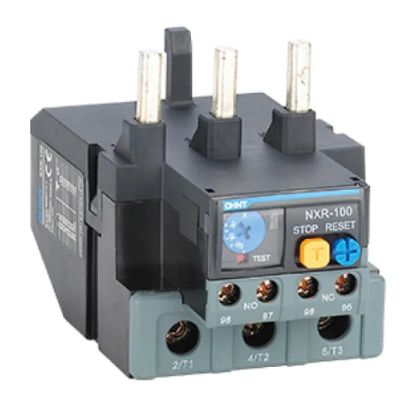
NEXT NXR-12 4-6A Thermal Ove...
In stock
86 677,00 soʻm
Safeguard your electric motors with the NEXT NXR-12 4-6A thermal overload relay. Designed for continuous or intermittent duty AC motors (50/60Hz, up to 690V, 0.1-630A), this relay protects against both overload and phase failure. Features include automatic and manual reset, trip indication, stop functionality, and built-in thermal compensation for reliable performance. Compatible with contactors or independent mounting.
86 677,00 soʻm
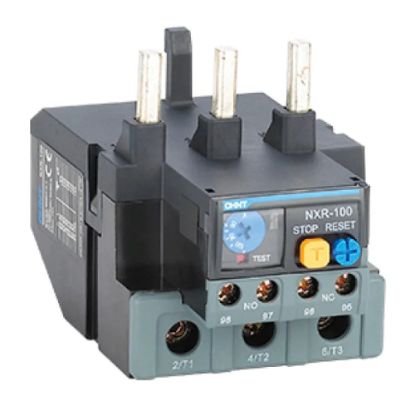
NEXT NXR-12 0.63-1A Thermal ...
In stock
86 677,00 soʻm
Protect your electric motors with the NEXT NXR-12 0.63-1A thermal overload relay. Designed for continuous or intermittent duty AC motors up to 690V and 1A, this relay safeguards against overloads and phase failure. Features include thermal compensation, action indication, automatic/manual reset, and stop/test functions for reliable performance. Compatible with contactors or independent mounting.
86 677,00 soʻm
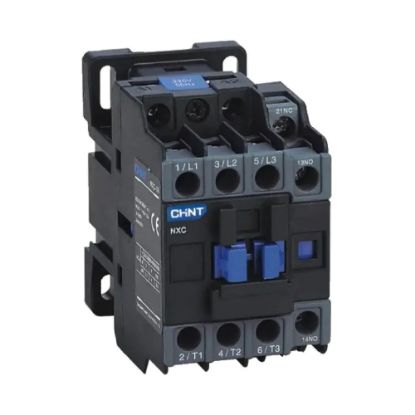
NEXT 3P NXC-330 220V 50Hz Co...
In stock
2 827 000,00 soʻm
The rated characteristics of a contactor are recalculated based on the connected load and its supply voltage. The nominal current indicated on the product and contactor face is specified for the most common applications. This 3-pole contactor is designed for reliable switching of electrical circuits, ensuring efficient operation and safety. Ideal for industrial and commercial use.
2 827 000,00 soʻm
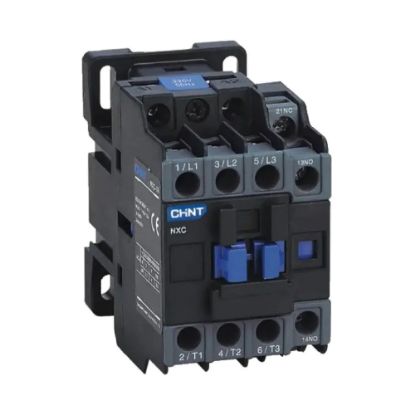
NEXT 3P NXC-265 220V 50Hz Co...
In stock
2 033 500,00 soʻm
The rated characteristics of a contactor are recalculated based on the connected load and its supply voltage. The nominal current indicated in the product name and on the contactor itself refers to the most common application. This ensures optimal performance and reliability for a wide range of electrical systems. Understanding these specifications is crucial for proper selection and installation.
2 033 500,00 soʻm